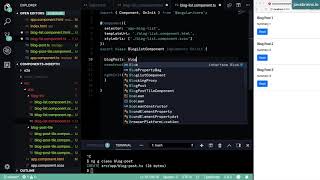
Introduction of Use Inputs To Pass Data To Dynamically Created Angular Components
Looking for the latest information on Use Inputs To Pass Data To Dynamically Created Angular Components? We've researched comprehensive data, records, and insights about Use Inputs To Pass Data To Dynamically Created Angular Components.
Important Facts
Explore the primary sources for Use Inputs To Pass Data To Dynamically Created Angular Components.
Developments
Stay updated on Use Inputs To Pass Data To Dynamically Created Angular Components's newest achievements.
Dynamic Component in Angular (2024)
Try Angular v4 // 20 of 28 // Passing Data to Components
Angular 19 Tutorial | @Input & @Output in Angular | Reusable Component Angular | Part 20
Angular Components In Depth 5 - Input
Angular @Input Finally Explained 🚀 | Pass Data Between Components Easily
Angular Components In Depth 6 - Passing object instances for component inputs
Angular - pass inputs into dynamic components
Angular 7 - Inputs - Passing Data to Component
Angular 2 for Beginners - Tutorial 8 - Passing Data to Components
Angular Dynamic Components Explained: Load Any Component Anywhere! (ViewContainerRef, v17)
Angular @Input: Pass Data Like a Pro | Reusable Angular Components: @Input
Detailed Analysis
Data is compiled from public records and verified media reports.
Last Updated: August 18, 2026
Final Thoughts
For 2026, Use Inputs To Pass Data To Dynamically Created Angular Components remains one of the most talked-about information profiles. Check back for the latest updates.
Disclaimer: Disclaimer: All information is compiled from publicly available data, media reports, and analysis. Actual details may vary.